Author: chinweowhorji

  • Takeaways from my visit to London’s Design Museum

    Takeaways from my visit to London’s Design Museum

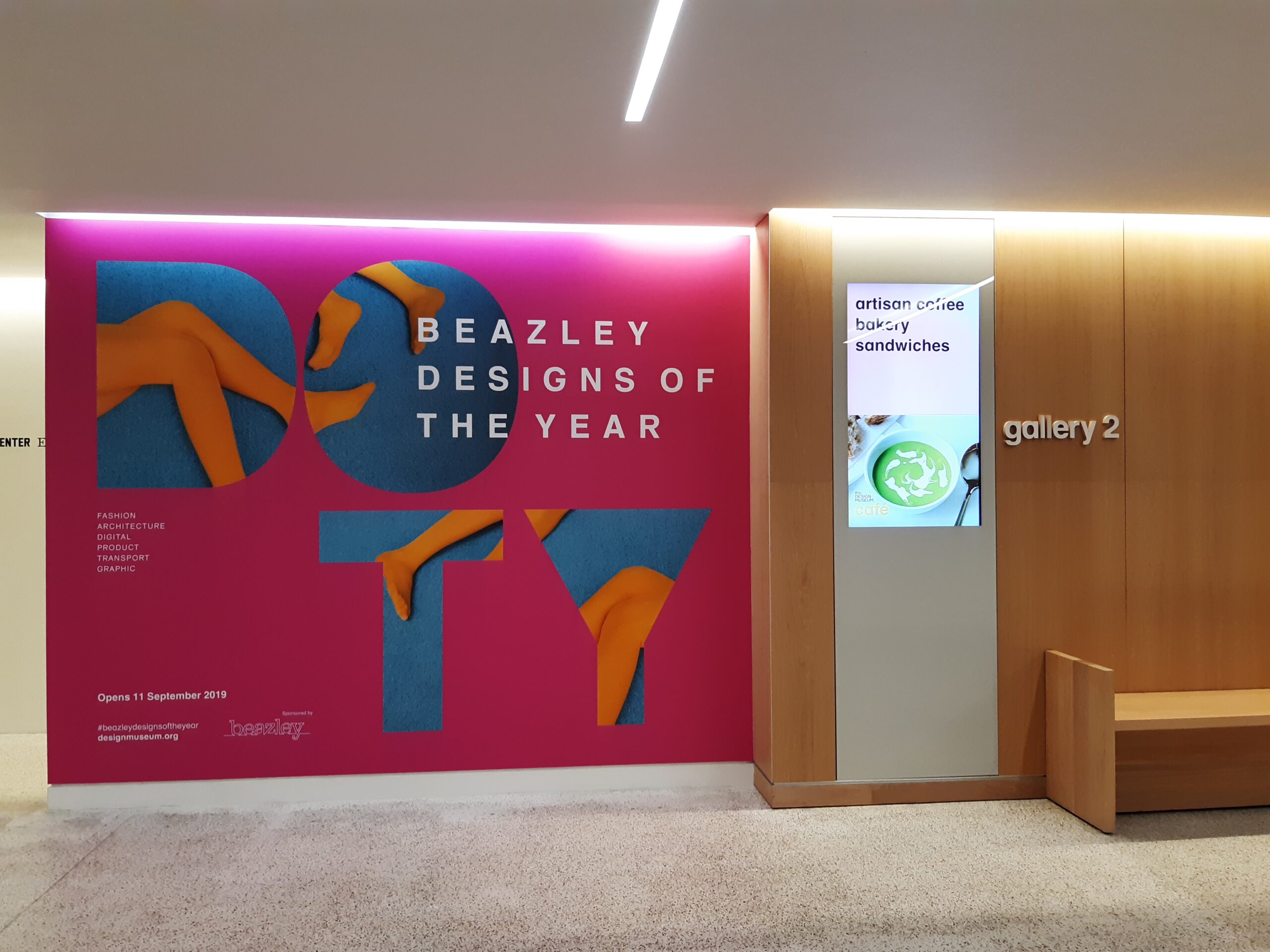
    Sometime in October, my team and visited the Design Museum in London to see how the principles of design has been applied towards solving problems. Our core focus was the Beazley Designs of the year. But we started with a tour of the general space. I was amazed at how companies like Apple have continued to innovate over the years; possessing an uncanny ability to keep customers looking forward to a new launch every year.

    Something that stood out very much to me was how the mix of a discovery of new materials and existing technologies informed the design of a completely new product. A classic example of this would be the 3D printer we got to see live in action. With the 3D printer, designers would be able to quickly and accurately make prototypes of their idea for showcase to an audience. This helps the audience effectively visualize the product and get a good understanding of what the finished product is not only expected to look like but also, how it is expected to function.

    For this to have come to life, there had to be marriage of technology for the development of the machine and the discovery of a suitable material for the 3D printer. In simple terms, as long as technology evolves, and the human mind can dream it, there would be no end to what products or services we can offer.

    Some of the best designs that stood out to me in the general section as well as the exhibits were the ones  born out of incremental innovation. Incremental innovation simply means adding improvements to existing products or services. Some of the good examples we saw include the Touch in and out Oyster Card Acrylic Nails with an inbuilt RFID chip designed by Lucie Davis. The oyster card system is the way most persons living in London get around using the public transport system. However, a designer has improved on this existing design by leveraging wearable technology to explore the ways in which the safety and convenience for commuters; especially those who are prone to forget their oyster cards.
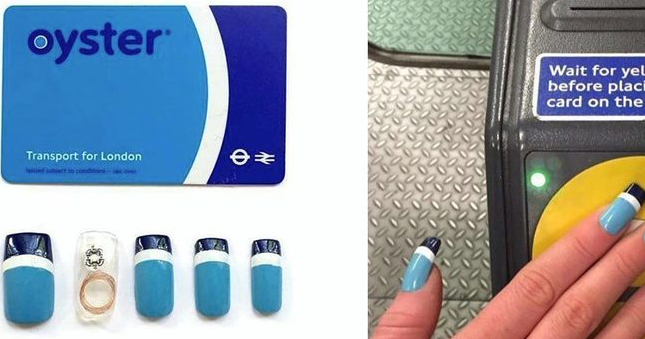
    Oyster Card Acrylic Nails

    Another example of a product that can be associated with incremental innovation is MySleeve. MySleeve is a silicone cover that acts as an add-on for crutches. It can be easily mounted on the crutch handle by means of a magnet that is embedded in the sleeve. This simple but very efficient product and designed by Marie Van den Broeck. The idea was borne out of the need to eliminate the soreness on the hands that comes with using crutches. It also has a secondary benefit of improving the grip of users.
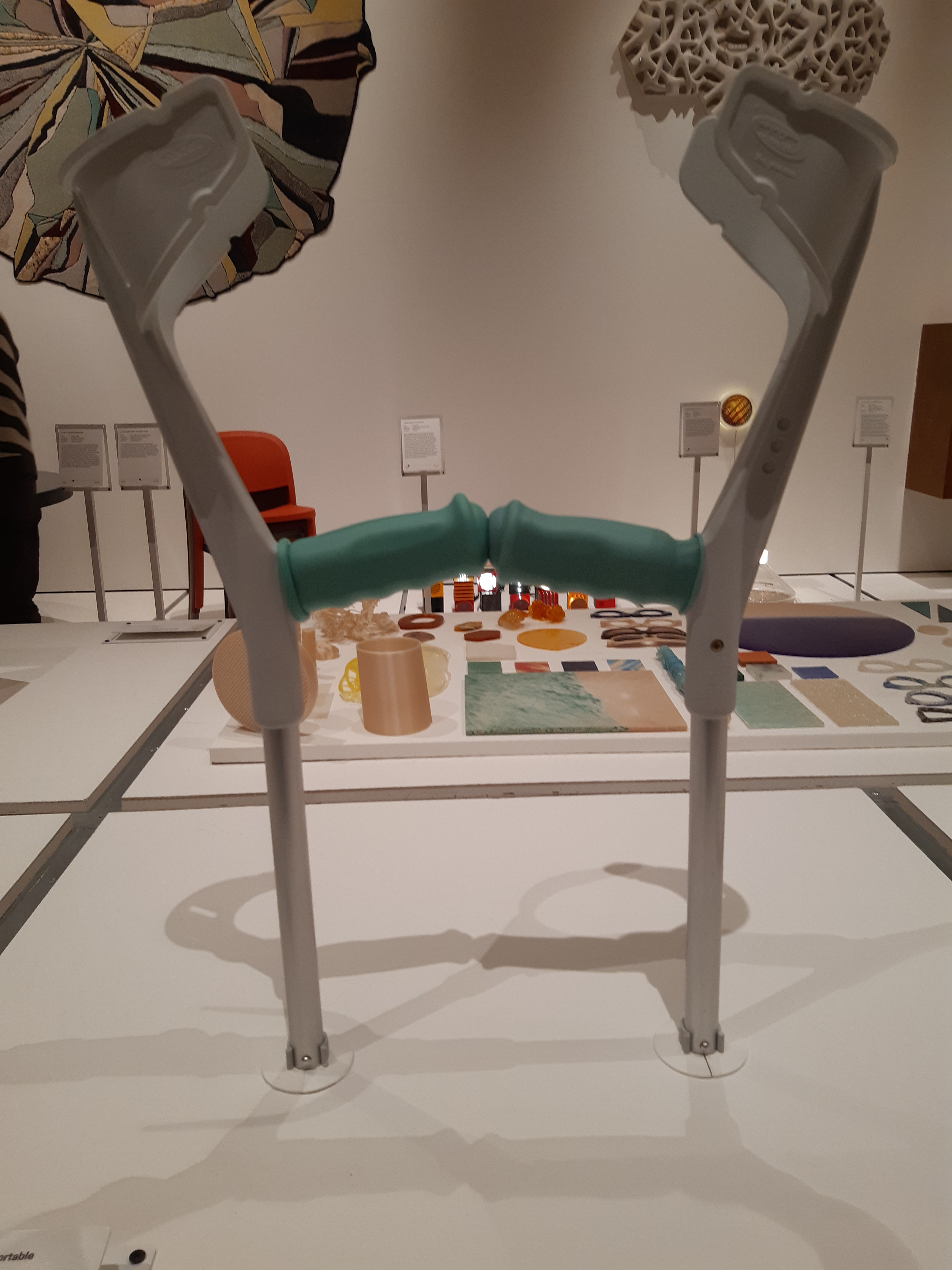
    MySleeve

    I was also struck by how our social lives also affect product design; our views on environmental issues, gender and inclusivity is also shaping the way designers are approaching their designs. Our consciousness of these issues have led to the design of biodegradable pregnancy test strips that breaks down when flushed and becomes completely degraded in 8 weeks. I also got an introduction to Q, the world’s first genderless voice assistant, Q was created out of the need to eradicate gender bias. I believe that as we evolve as humans, our culture and attitudes will continue to lead us on the part of endless possibilities.
  • Failing

    Failing

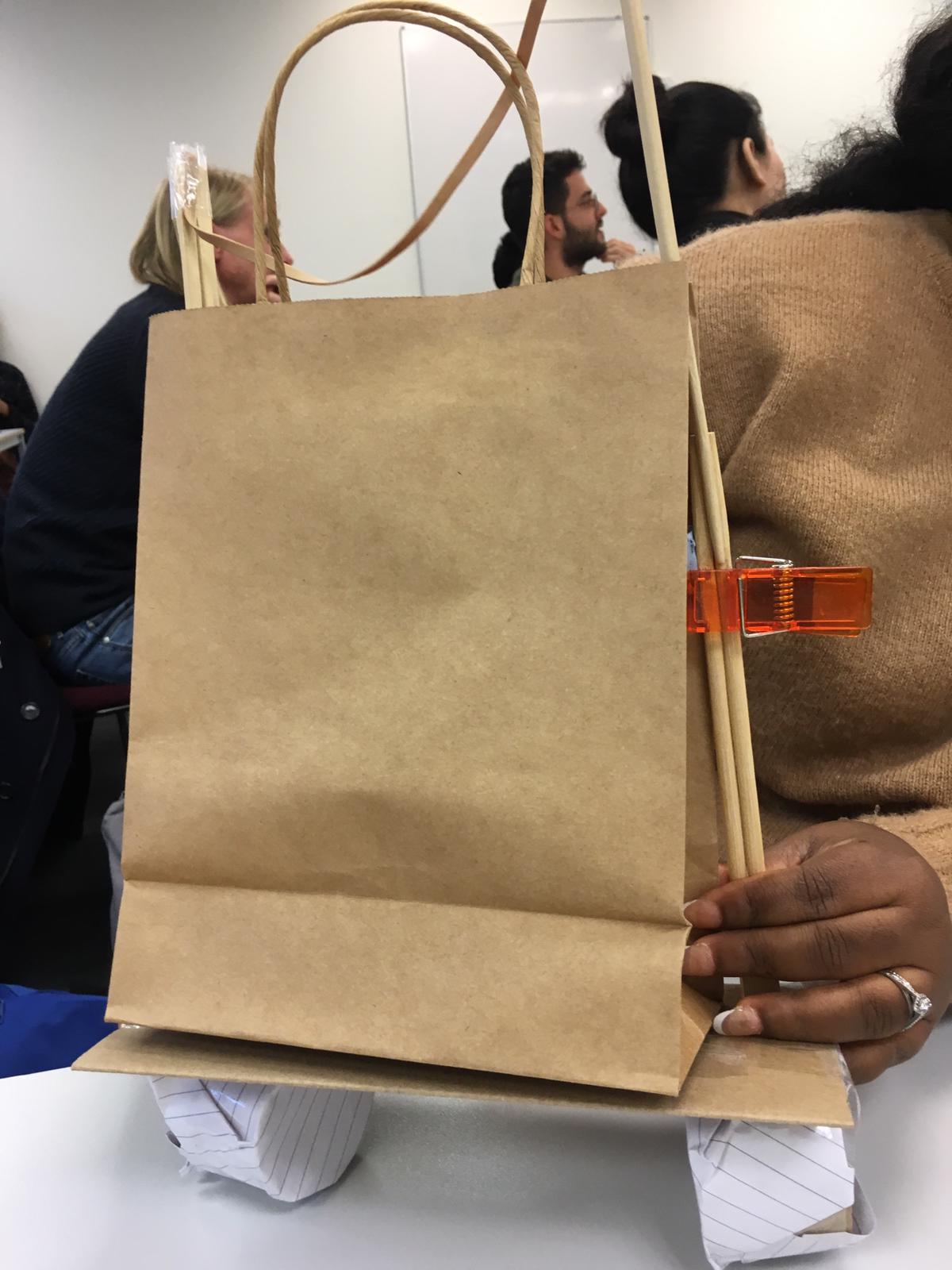
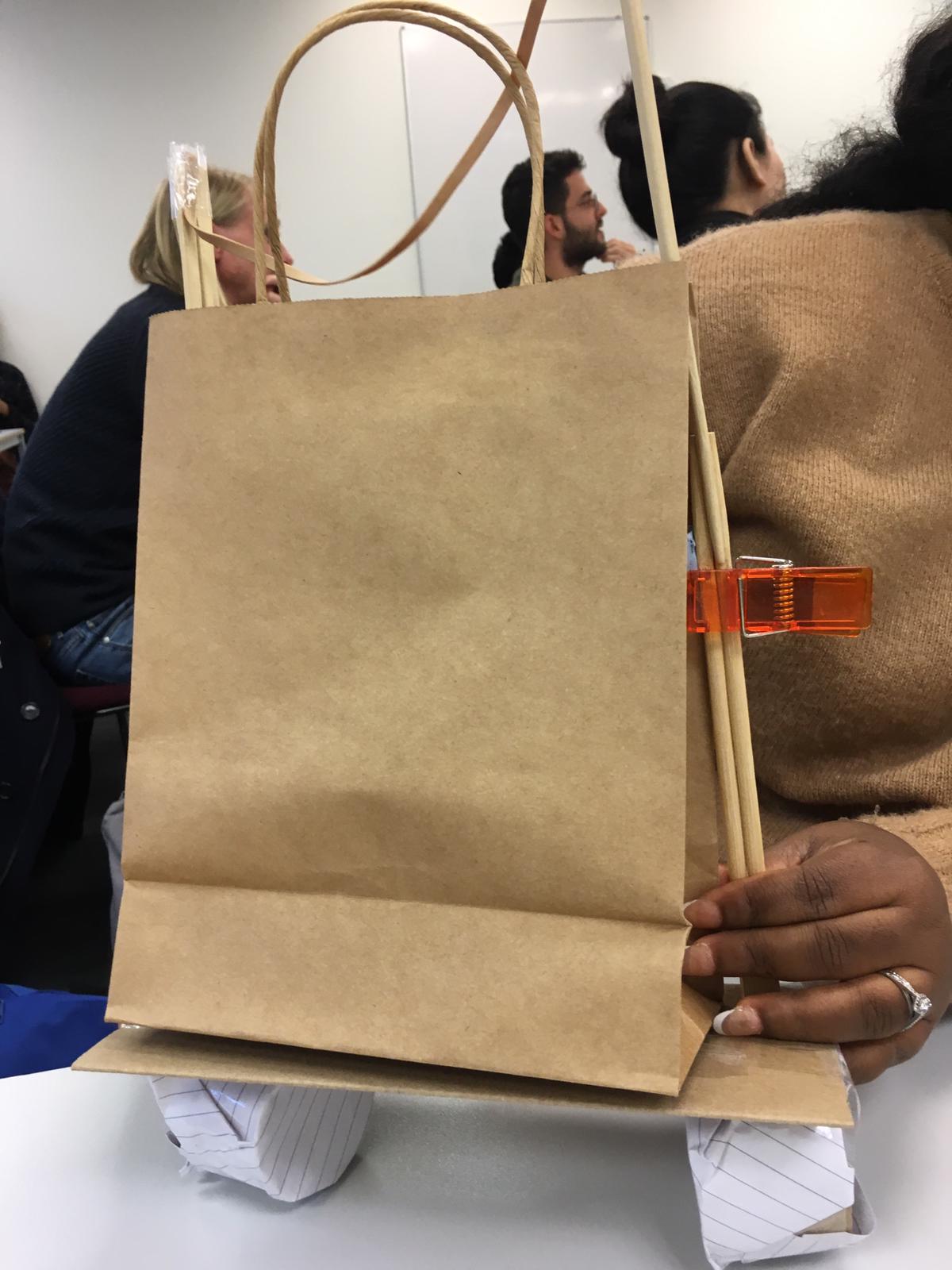
    For the past three weeks, my team and I worked on the concept of a portable, retractable/collapsible frame for people who carry heavy bags. The problem came from a personal experience that I and some of my team members experienced; that meant we were on to something right? We were following all the steps of design thinking by first going out to talk to people about what we figured could be a problem in order to better understand how we could come up with a better product.

    From asking a lot of people questions about what they love or hate the most about their shopping bags, why they love or hate it, why they preferred certain bags over others and so on. We came to the conclusion that people needed something stylish that hold a lot of items without causing damage to the arms or fingers and we had our idea…a frame that could fit into any bag but could expand and allow you attach multiple bags to it and had collapsible tires so you could roll it along.

    Our prototype of a compactible, collapsible and detachable trolley for bags

    It seemed we had defined the problem and had a great idea at the time; that was until we moved to the next step in the design thinking process – prototyping. We came up with what we felt the end-product should look like and realized it was not just going to work for the following reasons.

    1. Substitutes were relatively cheaper
    2. There was a product out there that was quite similar to ours in design.
    3. It was also possible we had not defined the right problem.

    In solving the right problem, there must be establishment of a basic need as well as contextualization of the problem. The justification for our thoughts hinged on the fact that a product that 90% resembled our prototype existed in the market but did not seem to be majorly adopted by the target group we had our eyes set on. We figured if we could answer the question why, we could be on to something but in the meantime, we had to accept the fact that we had failed.  

    Failure was good for us at this point in time because it meant we did not waste time, effort and resources on a product that was going to fail much later in the future. As a team, we chose not to look a it as failure, it meant we had followed all the necessary steps to develop the product. If we had missed out on conducting market research to see what we were going to be up against we would have been embarrassingly unaware of who or what our competition was.

    Failing at this point meant we had time to go back to the drawing board to come up with something – better- a product that was designed to solve the problem of loneliness. We were able to move past prototyping stage faster than our previous product because we now knew what sort of questions to ask, and how we could go about conducting our market research to be able to come up with a product that had a unique value proposition.

  • What a trip to the toilet taught me about communication and empathy

    What a trip to the toilet taught me about communication and empathy

    It was quite an insightful Design- Thinking class we had today where we focused on extreme users. I call it insightful because part of the exercise for today required immersing ourselves in a different world. We were grouped into teams of three where one person had to be a robot, the other a mute and the third person had to pretend to be visually impaired. Our task was to work together as a team to get the visually impaired person to use the toilet and make it back to class. At first, I thought to myself “this should be pretty straightforward right, it’s just a short walk after all” …I had no idea how wrong it was.

    First challenge we had as a group was figuring out a mode of communication that worked best for everybody because that was quite essential to achieving the task. We found a way around that first challenge, but the part b of that hurdle was communicating on time to avoid accidents. You see as a robot, I could not think, feel or have an opinion, I could only carry out the commands by the person pretending to be visually impaired. If they did not give an instruction on time, or ask a question on time, we were going to walk straight into a wall or have some form of accident because the person pretending to be mute is unable to give a command.

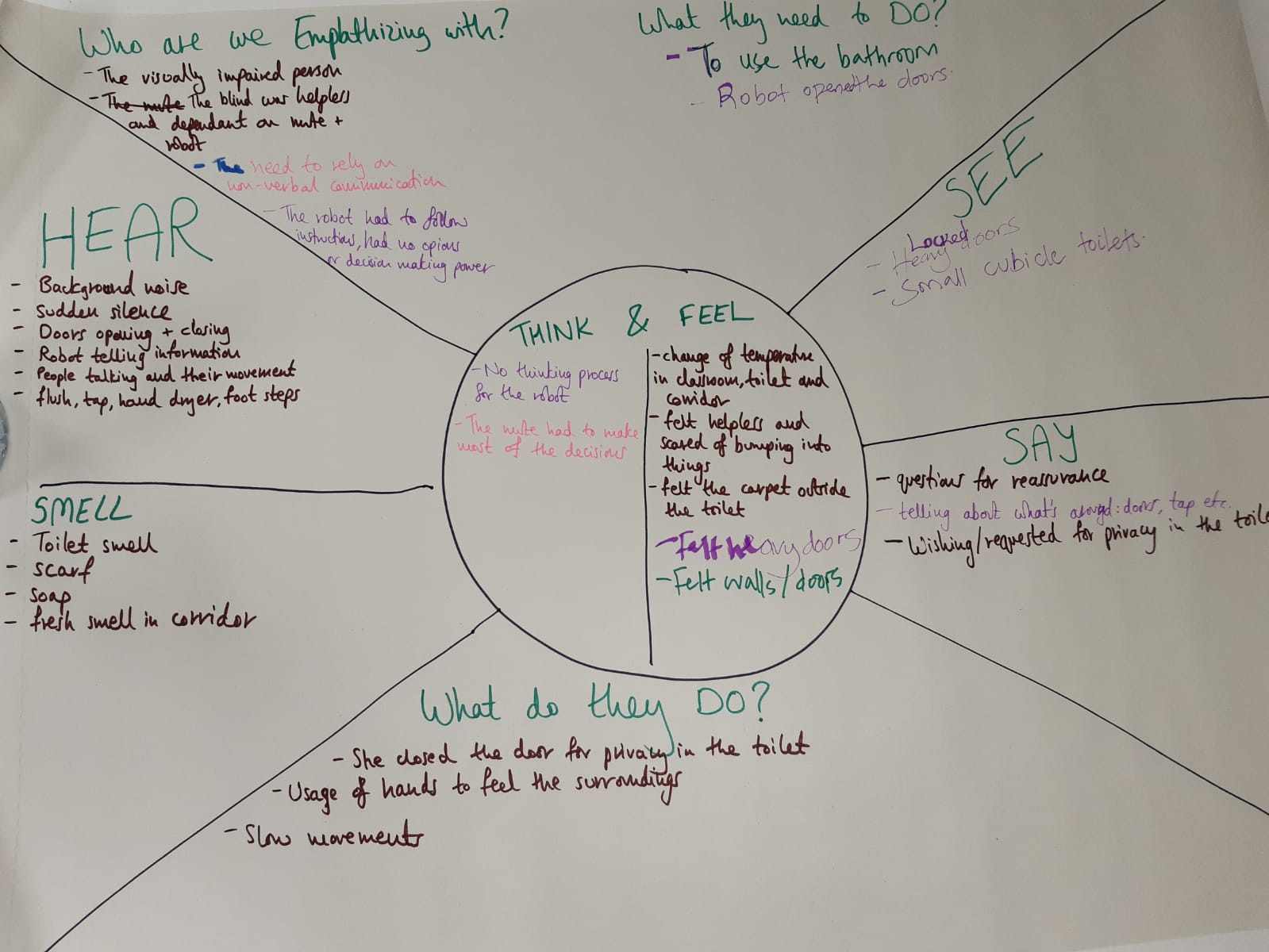
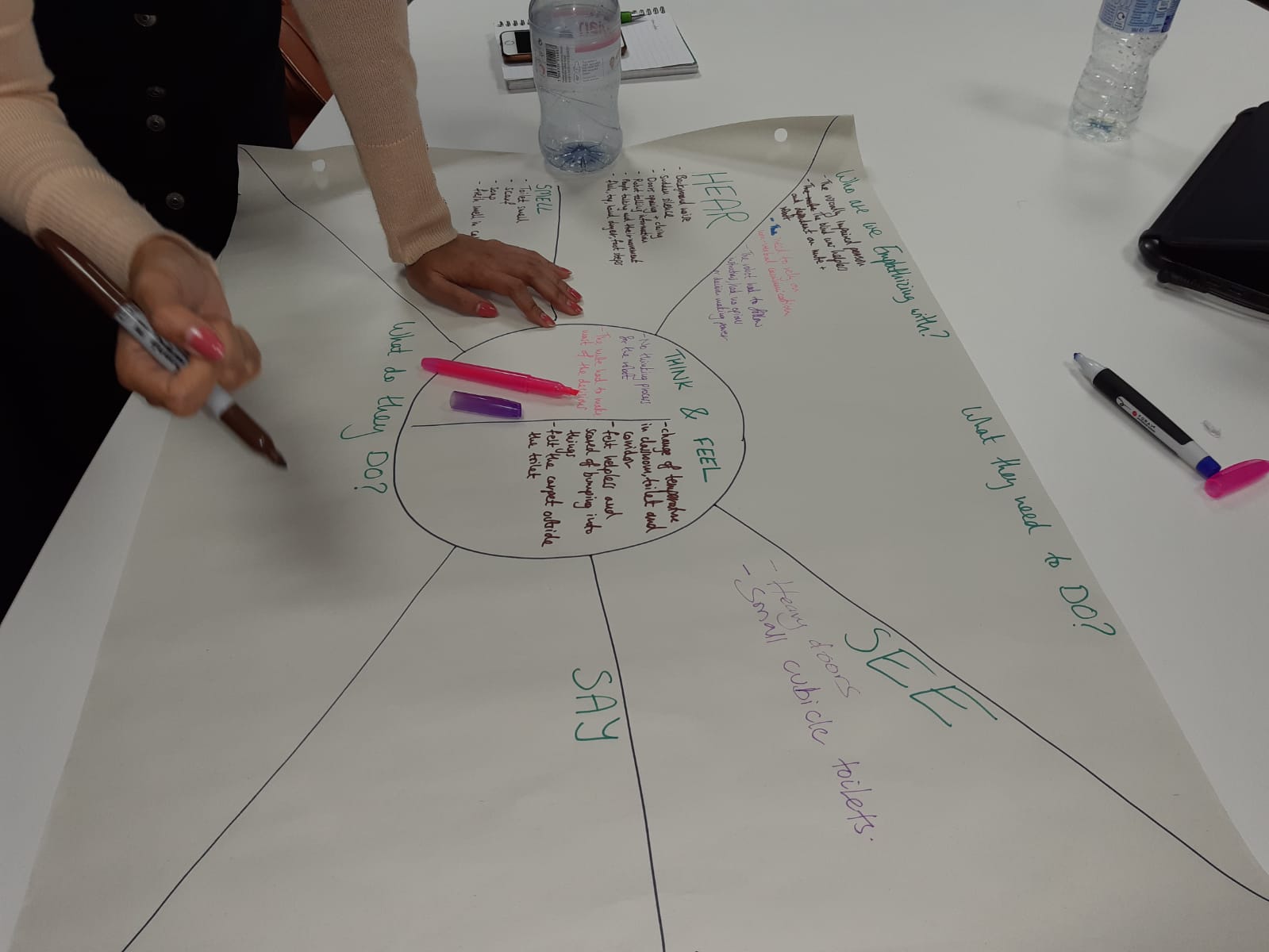
    This was not a communication class but the task we were given did share some insights as to the role of communication in getting some form of insight from extreme users. When tasked with mapping out our experience on the empathy map originally designed by Dave Gray, I realized that all the points on the map had one thing in common, communication. What we could smell, feel, think, say or do all communicated something about that moment to us. For example, my team mate who was blind-folded said she felt the “air change and become cooler” when we went through a set of doors. That let her know that she was outside the classroom. The stretching out of her hands to find her way could mean she did not trust us enough to get her out of harm’s way despite our instructions and guidance and so she had to equally look out for herself.

    This was a good way to learn that the role of communication in empathizing went beyond just asking the “why” and “how” questions; observing non-verbal ques might probably be the most important, as actions speak louder than words. Sometimes people are unable to communicate exactly why they do certain things they way they do them or how they actually do those things so physically observing and even carrying out the activity yourself may communicate a lot more to you about their feelings and experience than a verbal conversation will ever do.

    This particular skill will most definitely come in handy when designing a trans-national service/product; especially when you take into consideration high context cultures where fewer words are used and low-context cultures where there is more variety in the choice of words to describe things.

  • My First Blog Post

    My First Blog Post

    Empathy makes the world a saner place to live in.

    — Unknown

    Hello, welcome to my first post on my shiny new WordPress blog where I will be sharing a few thoughts as I embark on a whole new journey at Kingston University’s Innovation Management and Entrepreneurship Course.

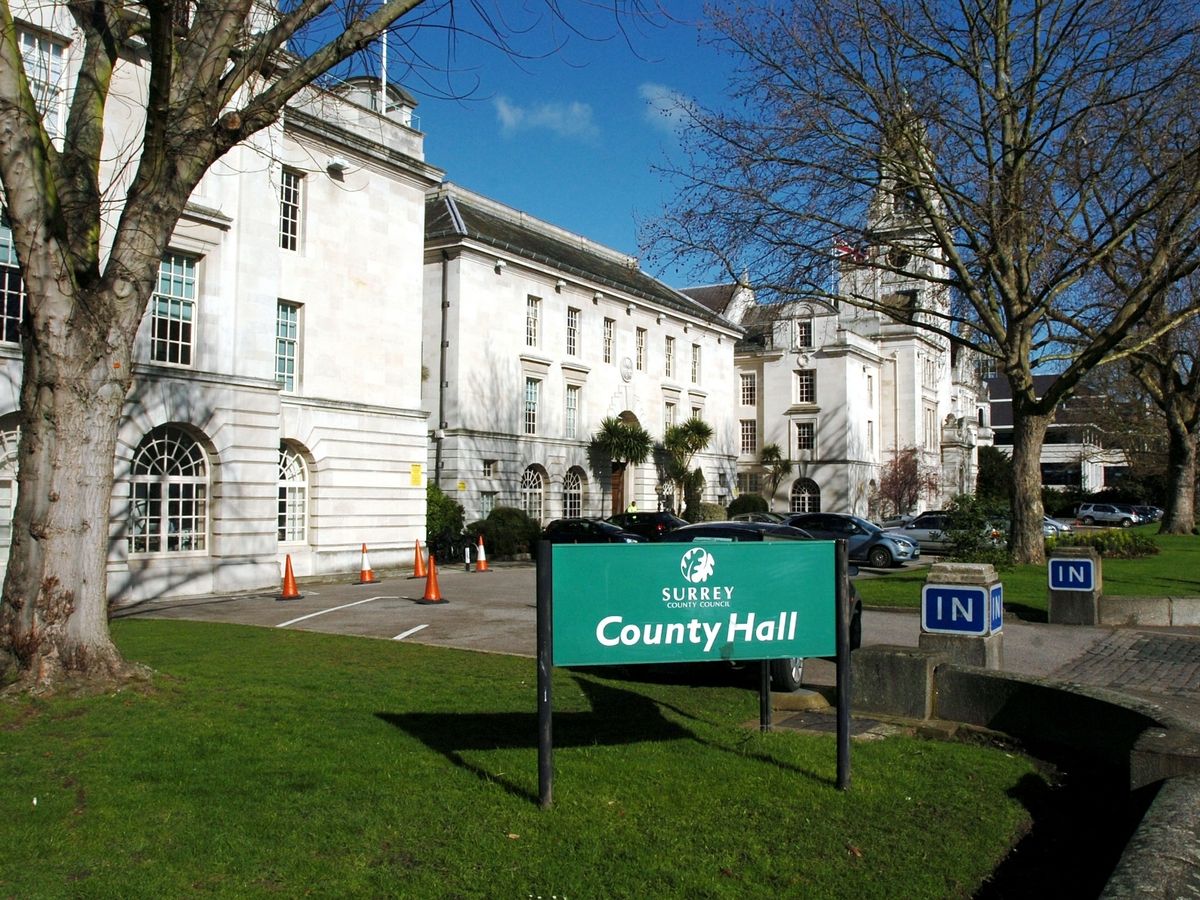
    I probably should start by sharing my first encounter with lecturers and course mates; this was at a hackathon for the Surrey County Council, facilitated by the lecturers from our Design Thinking Course at the Kingston Business School. At this hackathon, we had to come up with a way to re-imagine community engagement at Surrey! I had to pinch myself again just to sure that I was at the right place. I mean I was excited about the idea but when your client is the County Council then this is a whole new level of faith and trust. It takes a group of people believing in you in more than you do yourself, to make this happen.  

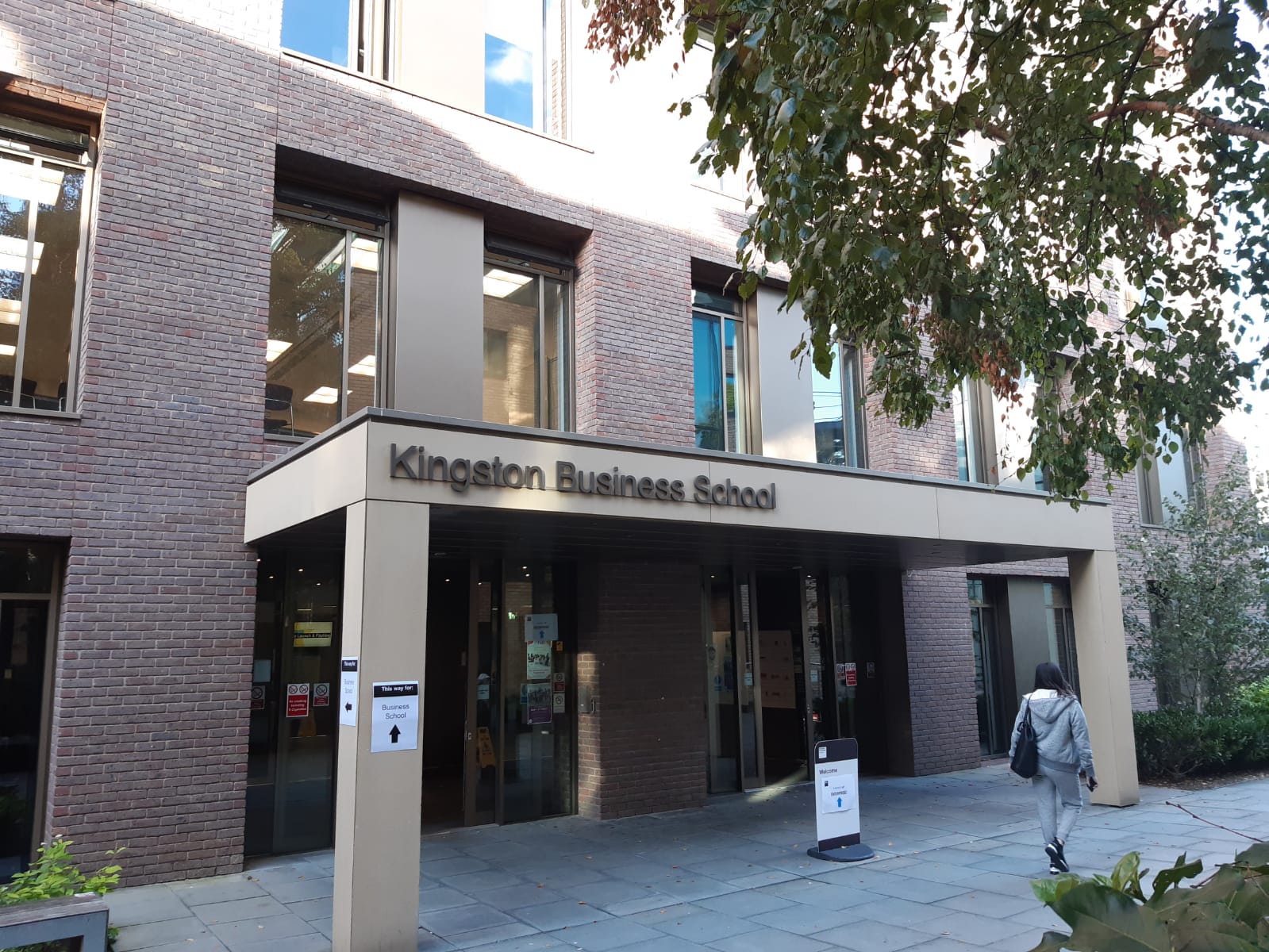
    Kingston Business School, Kingston Hill Campus

    Let me break it down a bit…I had barely spent 24 hours in the UK, I knew almost next to nothing about how the system worked, I was even more shocked at this level of partnership and collaboration between the University and the Council. Was I scared? Very much so. Guess what, we also had to work in teams, and everyone on my team were of different nationalities and backgrounds and we had two days to come up with some sort of a prototype…interesting right?

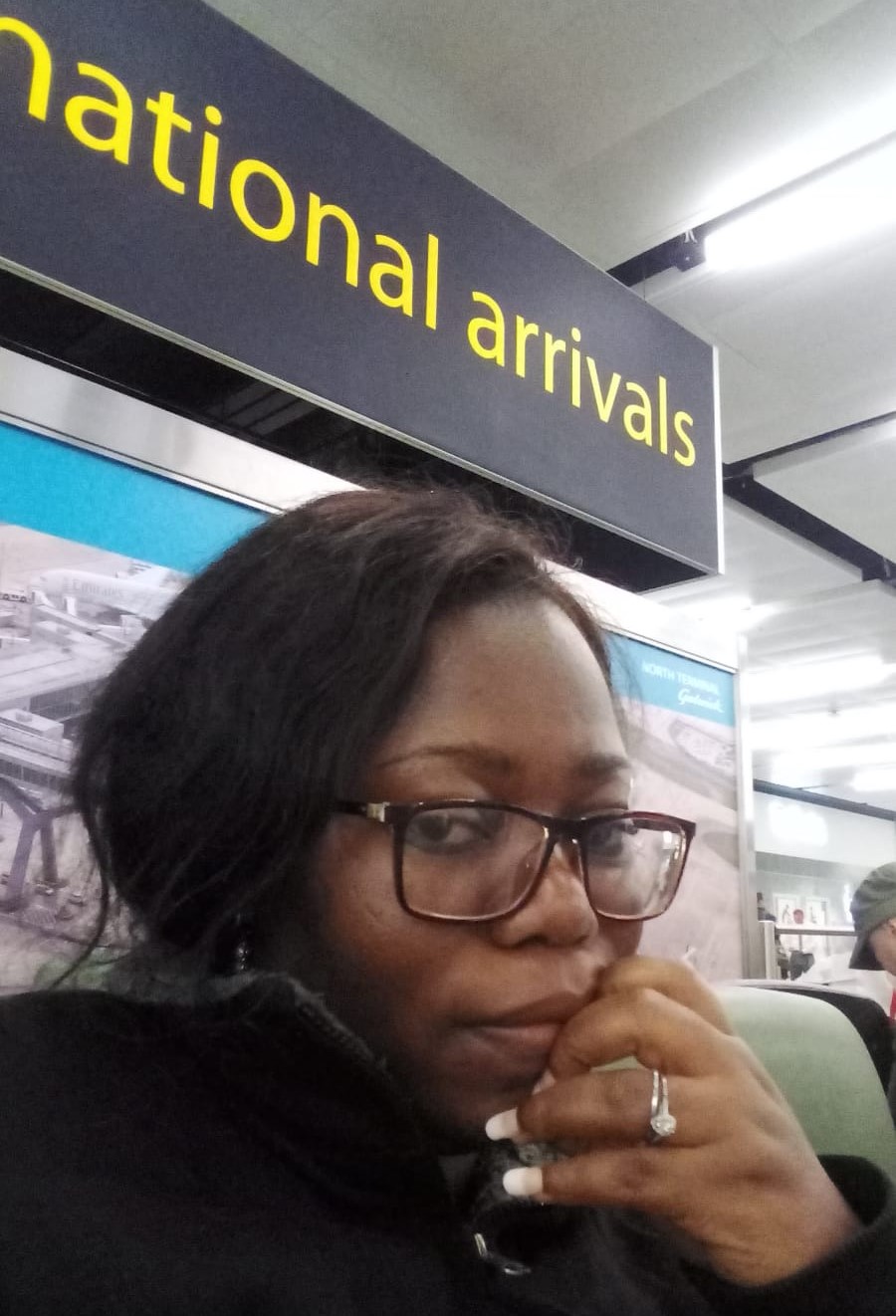
    At Gatwick airport…19 hours before the hackathon

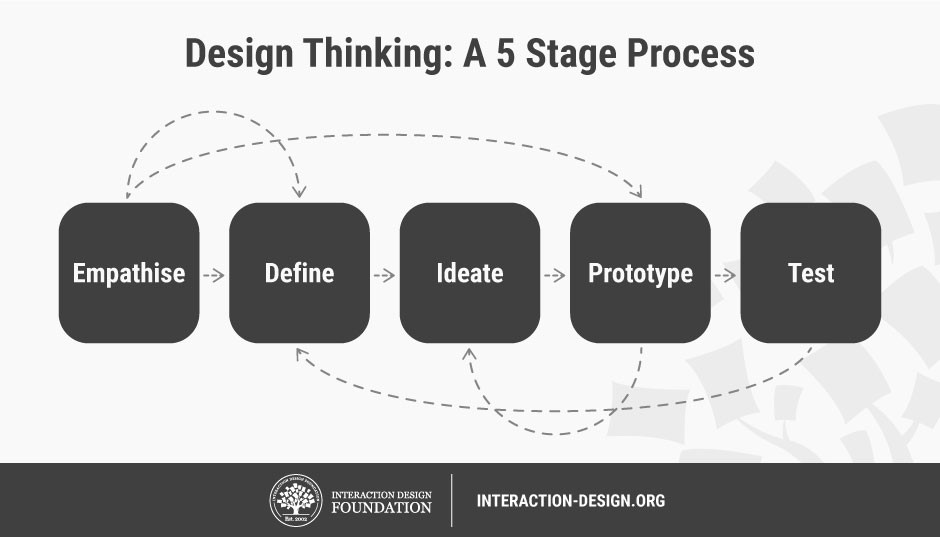
    Little did I know I had nothing to worry about and we couldn’t have been a more perfect team to work on this problem and this, is why I think so; over 80% of us were foreign students, this means that we saw the world through different sets of eyes. Even though we were diverse in our views and thinking, mostly fresh in the UK, we all had a common problem…integrating ourselves into the community and that was how we got the idea for our prototype. I assure you this light bulb moment did not just come out of the blue somewhere, our facilitators had to take us through steps in the design thinking process to help us surgically identify the problem and then get to the root of the problem.

    Empathy – The first stage of the design thinking process begins with understanding the problem you are trying to solve. Personal assumptions about a problem should be set aside as deliberate effort is made to understand the situation by conducting interviews, observation and asking a lot of “Why”s.

    Define – At this stage, all the data that has been collected is analyzed and the core themes of the issues are identified. We were asked to come up with a problem statement during this stage of the exercise.

    Ideate – During this stage we used brainstorming technique to come up with a different possible solutions to the problem. We got some really good ideas out of this process; our final decision was more of a blend of some of the ideas that were generated from everyone.

    Prototype – This is a very inexpensive way of visualizing your idea. It gives the user something tangible to work with and interact with. For Team Innovation, we used paper and markers to sketch out our solution – it was the combination of an app and a website to deliver information to our user group.

    Test – The final stage of the process involves testing out your prototype with different people to see if it meets their expectations. Feedback is collected at this stage, which is further used to improve on the existing prototype. This process is repeated a number of times until a satisfactory product is created.

    The representatives from Surrey County Council were also very hands-on through out the event; they were more than happy to listen to several unclear versions of our idea, after which they gave their feedback and it was back to the drawing board for more iterations.

    I was particularly inspired by the guests who were invited to the hackathon to talk about the work they had been doing in the council. I was inspired by the work being done to support at-risk youths in the community. I learnt that day that sometimes, just listening to someone talk can go a long way. In summary, my perspective on community engagement has changed for the better and I am more than ready to take on new challenges that will help make the world a better place.

    Thanks for reading… subscribe below to get notified when I post new updates.