Empathy makes the world a saner place to live in.
— Unknown
Hello, welcome to my first post on my shiny new WordPress blog where I will be sharing a few thoughts as I embark on a whole new journey at Kingston University’s Innovation Management and Entrepreneurship Course.
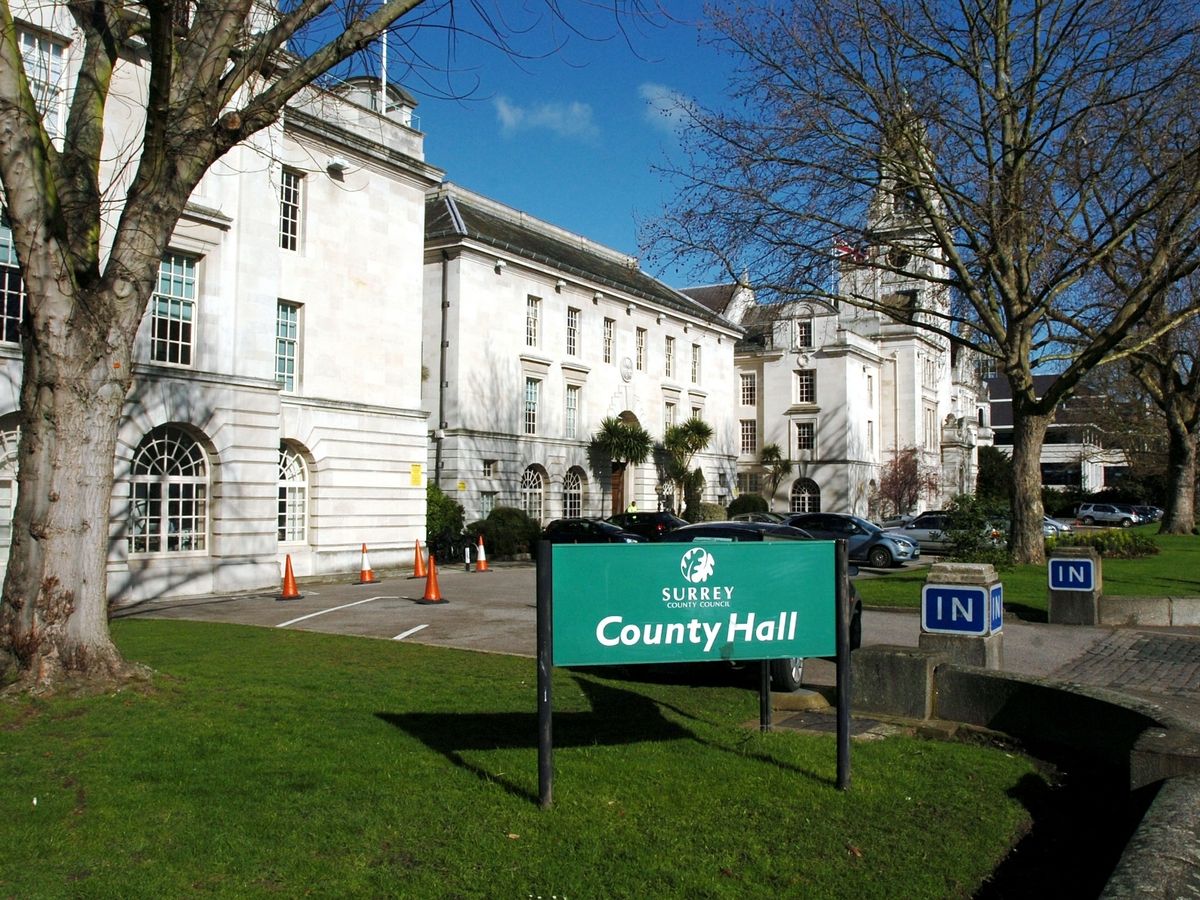
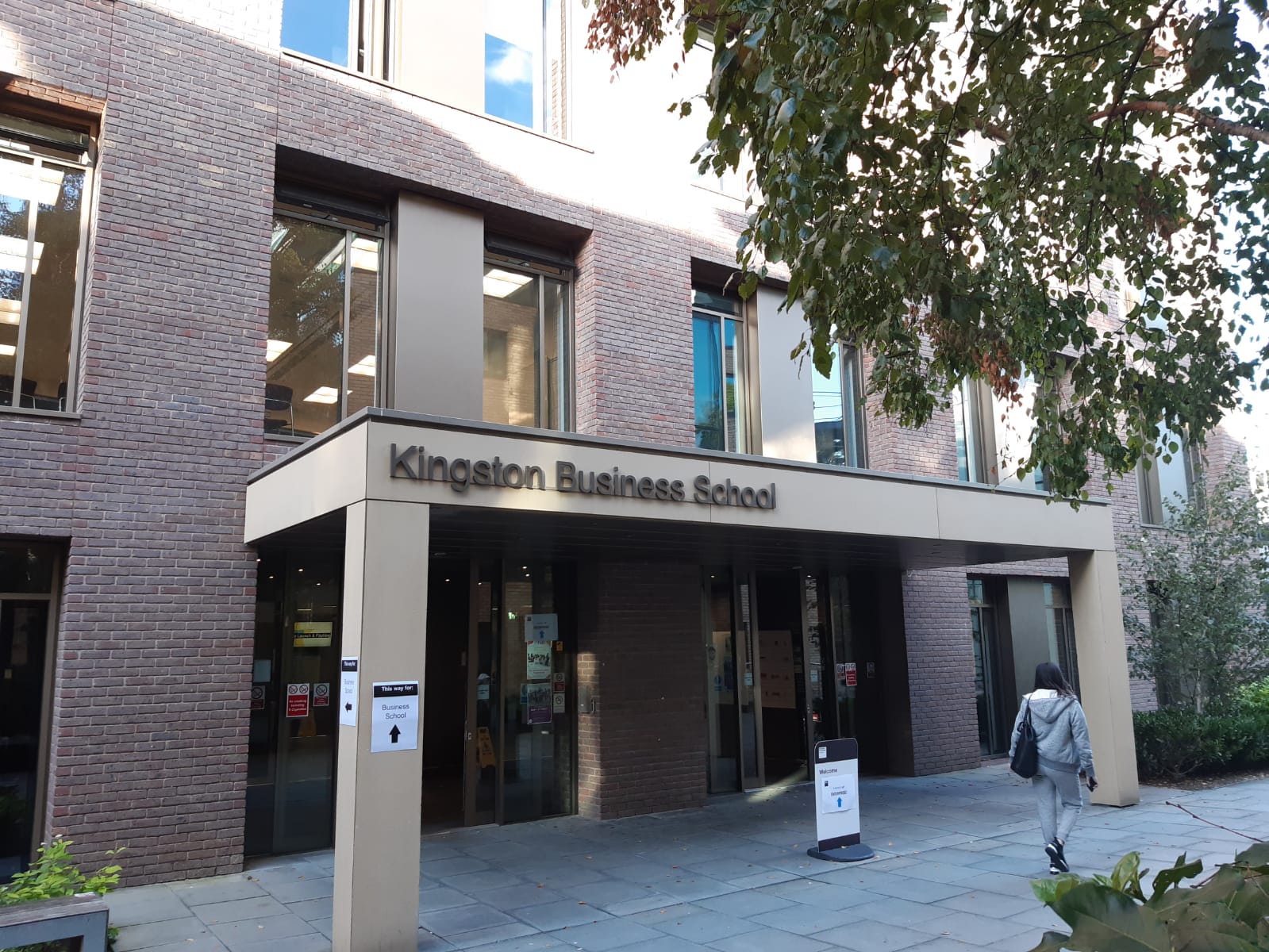
I probably should start by sharing my first encounter with lecturers and course mates; this was at a hackathon for the Surrey County Council, facilitated by the lecturers from our Design Thinking Course at the Kingston Business School. At this hackathon, we had to come up with a way to re-imagine community engagement at Surrey! I had to pinch myself again just to sure that I was at the right place. I mean I was excited about the idea but when your client is the County Council then this is a whole new level of faith and trust. It takes a group of people believing in you in more than you do yourself, to make this happen.
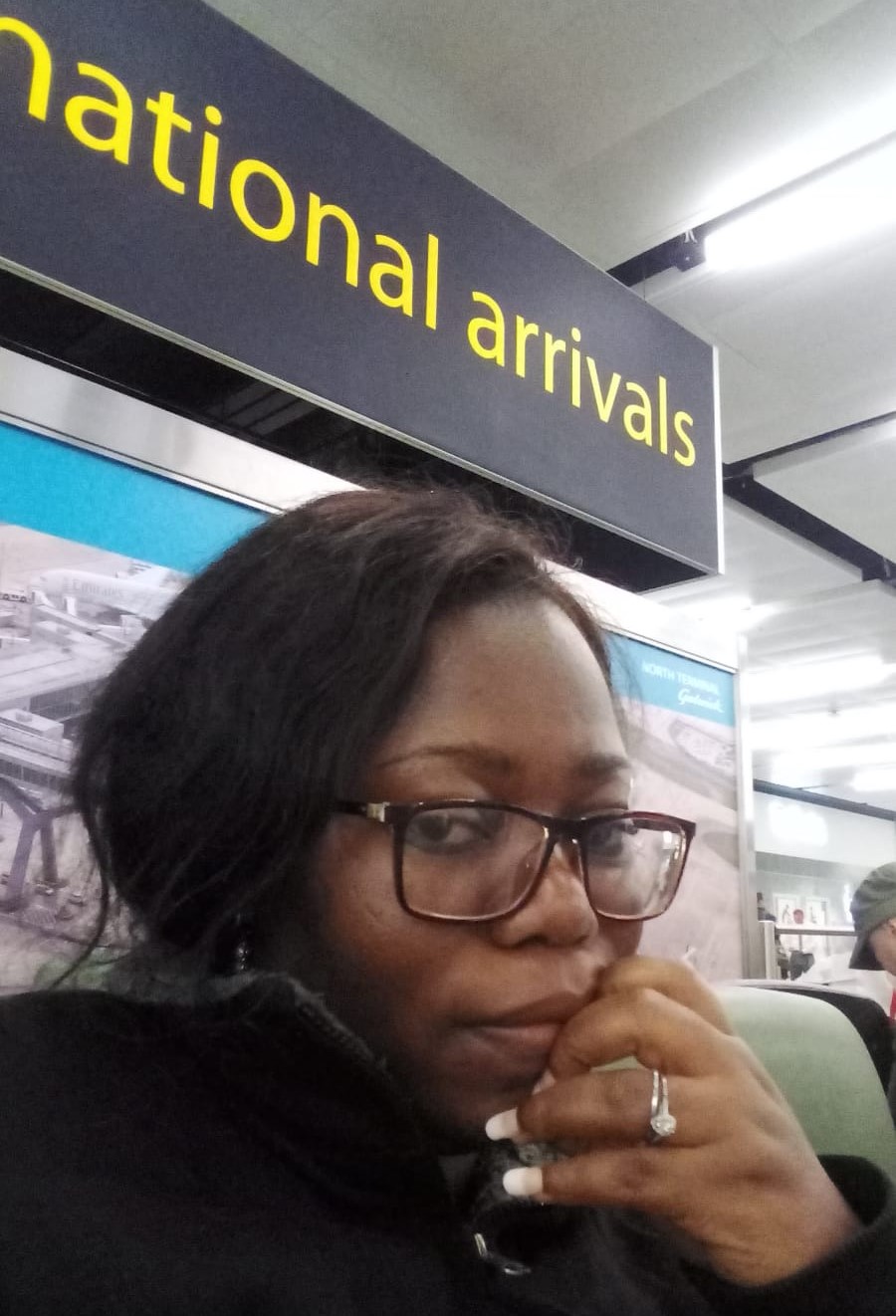
Let me break it down a bit…I had barely spent 24 hours in the UK, I knew almost next to nothing about how the system worked, I was even more shocked at this level of partnership and collaboration between the University and the Council. Was I scared? Very much so. Guess what, we also had to work in teams, and everyone on my team were of different nationalities and backgrounds and we had two days to come up with some sort of a prototype…interesting right?
Little did I know I had nothing to worry about and we couldn’t have been a more perfect team to work on this problem and this, is why I think so; over 80% of us were foreign students, this means that we saw the world through different sets of eyes. Even though we were diverse in our views and thinking, mostly fresh in the UK, we all had a common problem…integrating ourselves into the community and that was how we got the idea for our prototype. I assure you this light bulb moment did not just come out of the blue somewhere, our facilitators had to take us through steps in the design thinking process to help us surgically identify the problem and then get to the root of the problem.
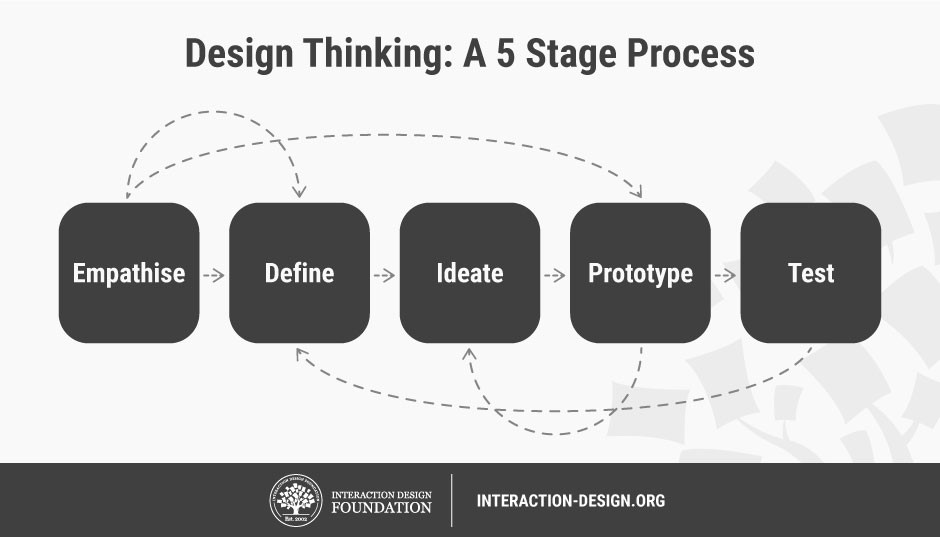
Empathy – The first stage of the design thinking process begins with understanding the problem you are trying to solve. Personal assumptions about a problem should be set aside as deliberate effort is made to understand the situation by conducting interviews, observation and asking a lot of “Why”s.
Define – At this stage, all the data that has been collected is analyzed and the core themes of the issues are identified. We were asked to come up with a problem statement during this stage of the exercise.
Ideate – During this stage we used brainstorming technique to come up with a different possible solutions to the problem. We got some really good ideas out of this process; our final decision was more of a blend of some of the ideas that were generated from everyone.
Prototype – This is a very inexpensive way of visualizing your idea. It gives the user something tangible to work with and interact with. For Team Innovation, we used paper and markers to sketch out our solution – it was the combination of an app and a website to deliver information to our user group.
Test – The final stage of the process involves testing out your prototype with different people to see if it meets their expectations. Feedback is collected at this stage, which is further used to improve on the existing prototype. This process is repeated a number of times until a satisfactory product is created.
The representatives from Surrey County Council were also very hands-on through out the event; they were more than happy to listen to several unclear versions of our idea, after which they gave their feedback and it was back to the drawing board for more iterations.
I was particularly inspired by the guests who were invited to the hackathon to talk about the work they had been doing in the council. I was inspired by the work being done to support at-risk youths in the community. I learnt that day that sometimes, just listening to someone talk can go a long way. In summary, my perspective on community engagement has changed for the better and I am more than ready to take on new challenges that will help make the world a better place.
Thanks for reading… subscribe below to get notified when I post new updates.

Leave a Reply