
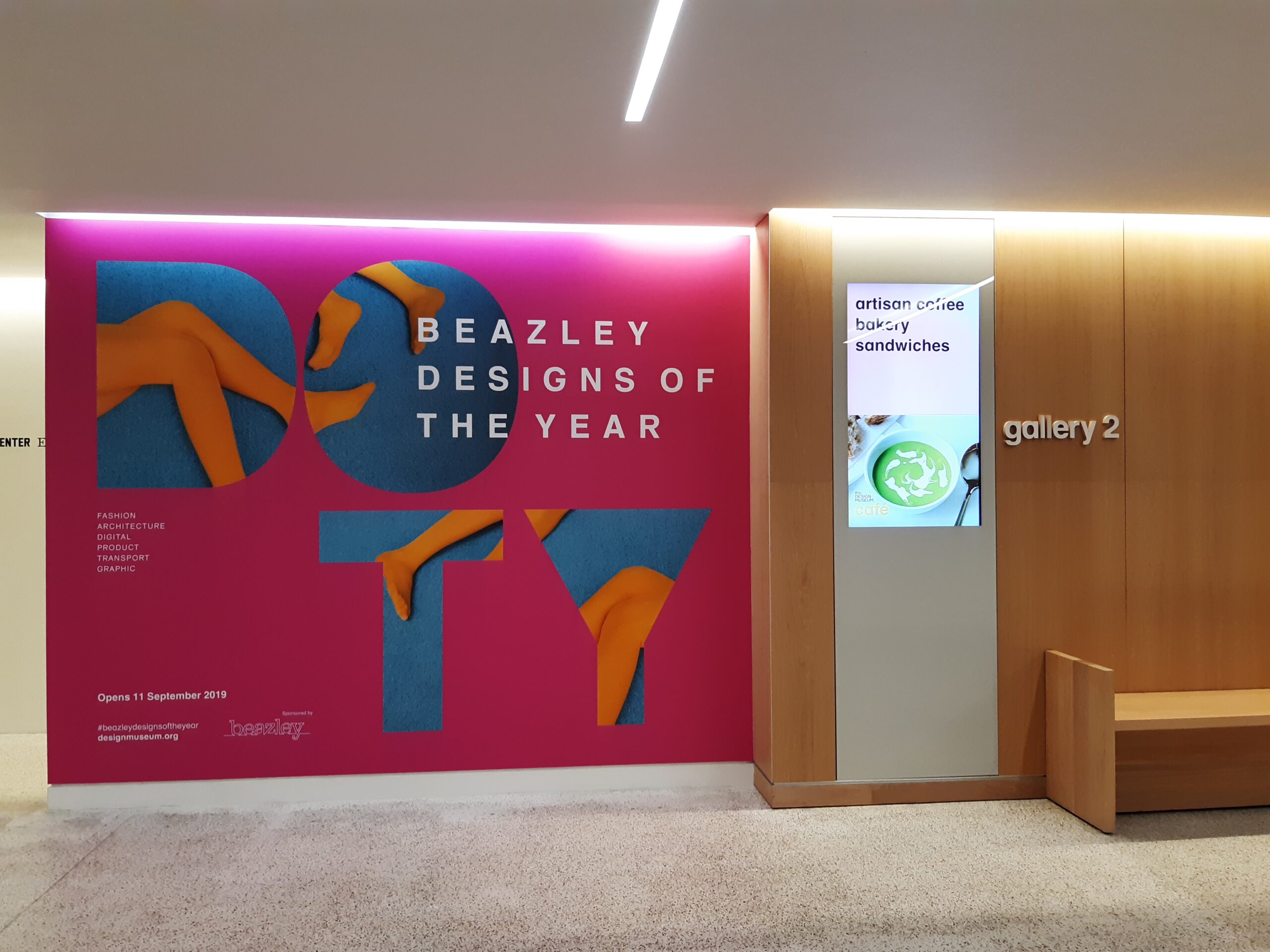
Sometime in October, my team and visited the Design Museum in London to see how the principles of design has been applied towards solving problems. Our core focus was the Beazley Designs of the year. But we started with a tour of the general space. I was amazed at how companies like Apple have continued to innovate over the years; possessing an uncanny ability to keep customers looking forward to a new launch every year.
Something that stood out very much to me was how the mix of a discovery of new materials and existing technologies informed the design of a completely new product. A classic example of this would be the 3D printer we got to see live in action. With the 3D printer, designers would be able to quickly and accurately make prototypes of their idea for showcase to an audience. This helps the audience effectively visualize the product and get a good understanding of what the finished product is not only expected to look like but also, how it is expected to function.
For this to have come to life, there had to be marriage of technology for the development of the machine and the discovery of a suitable material for the 3D printer. In simple terms, as long as technology evolves, and the human mind can dream it, there would be no end to what products or services we can offer.
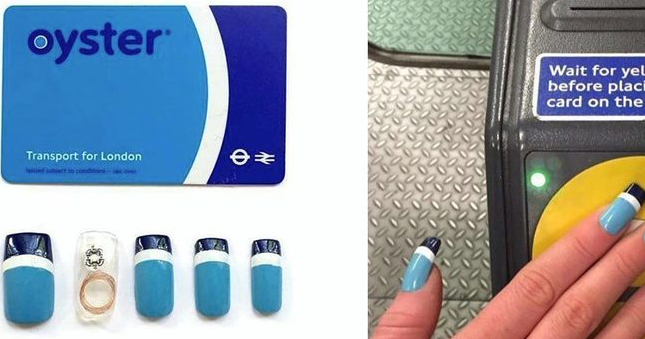
Some of the best designs that stood out to me in the general section as well as the exhibits were the ones born out of incremental innovation. Incremental innovation simply means adding improvements to existing products or services. Some of the good examples we saw include the Touch in and out Oyster Card Acrylic Nails with an inbuilt RFID chip designed by Lucie Davis. The oyster card system is the way most persons living in London get around using the public transport system. However, a designer has improved on this existing design by leveraging wearable technology to explore the ways in which the safety and convenience for commuters; especially those who are prone to forget their oyster cards.
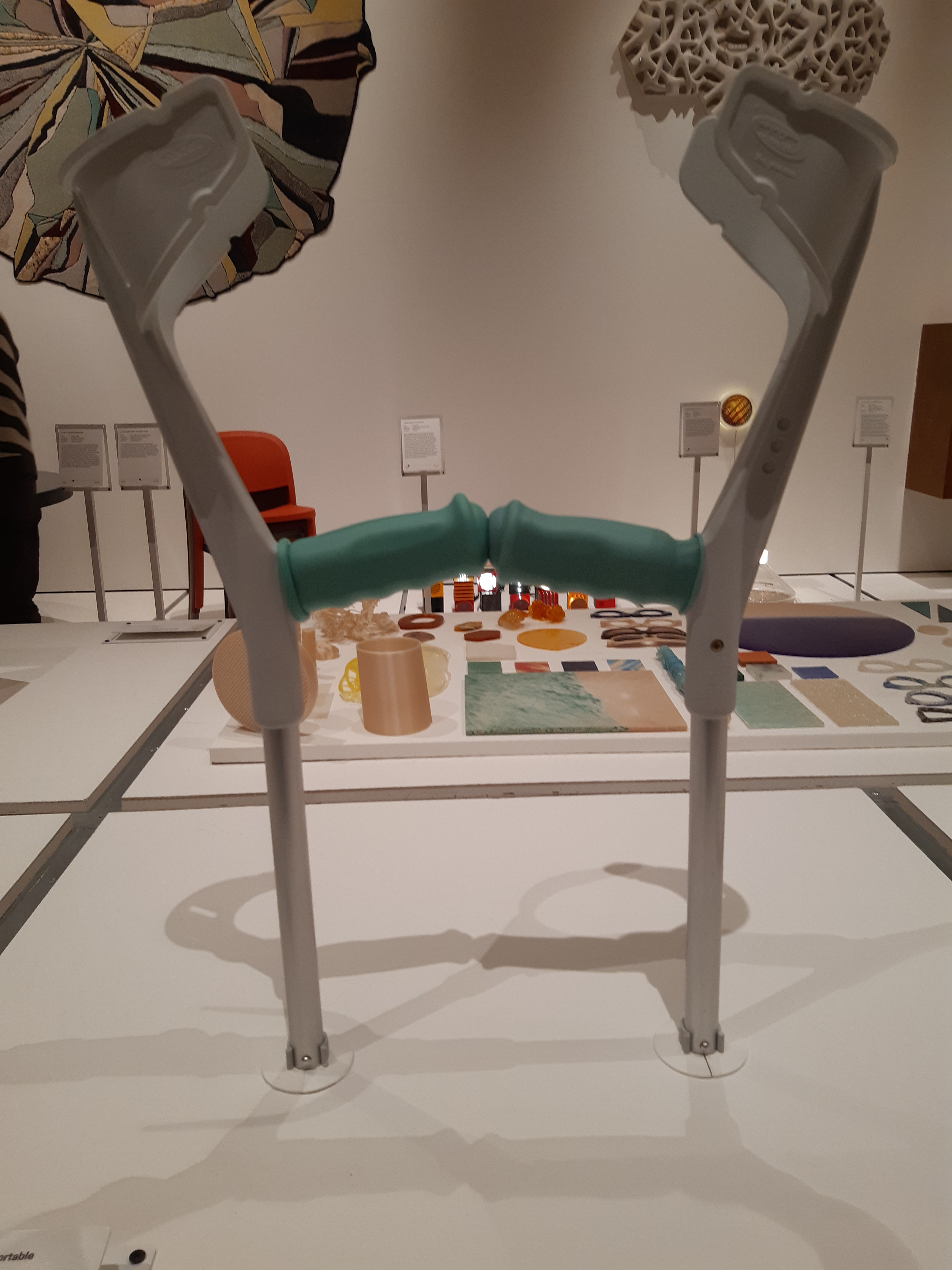
Another example of a product that can be associated with incremental innovation is MySleeve. MySleeve is a silicone cover that acts as an add-on for crutches. It can be easily mounted on the crutch handle by means of a magnet that is embedded in the sleeve. This simple but very efficient product and designed by Marie Van den Broeck. The idea was borne out of the need to eliminate the soreness on the hands that comes with using crutches. It also has a secondary benefit of improving the grip of users.
I was also struck by how our social lives also affect product design; our views on environmental issues, gender and inclusivity is also shaping the way designers are approaching their designs. Our consciousness of these issues have led to the design of biodegradable pregnancy test strips that breaks down when flushed and becomes completely degraded in 8 weeks. I also got an introduction to Q, the world’s first genderless voice assistant, Q was created out of the need to eradicate gender bias. I believe that as we evolve as humans, our culture and attitudes will continue to lead us on the part of endless possibilities.
Leave a Reply