Category: Design thinking for start-ups

  • Top 3 Lessons From My First Trade Fair

    Top 3 Lessons From My First Trade Fair

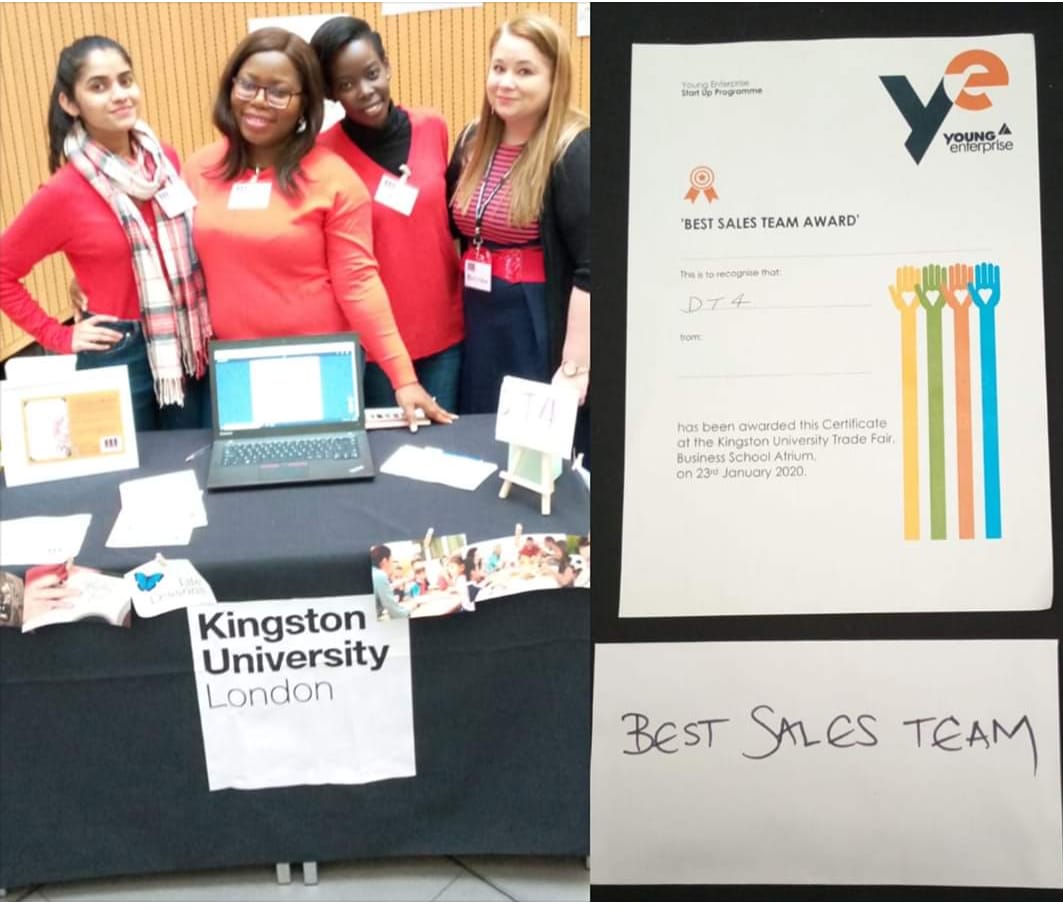
    On Thursday the 28th of January my team participated in a trade fair competition at Kingston University’s Business School Atrium. This was a first for me because I had never sold anything at a trade fair before and was not exactly sure what to expect standing on the other side of the table. We had just come from the Bright Ideas Sprint Weekend some ideas on how to take our product forward and so this was going to be the first place to sort of test those ideas out. Also, we wanted to be able to leave with some valuable insights from the patrons who were going to visit our stand.

    The caveat was we did not have a product yet, we had commissioned a graphics designer to help us out but due to poor health, the designer missed our deadline and what little was sent had a bunch of errors in them. This leads me to my first lesson;

    1. Always have a plan B: In a New York Times interview with Ilene Gordon, C.E.O. of Ingredion, she highlighted the importance of having a plan B as a business person. She advises entrepreneurs to always have a backup plan that they can implement and even a plan C or D. She reasons that in the business world, our plans are subject to external factors such as government policies, and competitors’ activities just to mention a few. In our case a vendor had failed us and so we had to quickly come up with a new play – market research.
    2.  Practice, practice, practice – So our team won the “best sales team award”. We had previously worked on a script for pitching our ideas and everyone had a part to memorize and digest. Sometimes you may have the answers to certain questions but in the heat of the moment, you could communicate your response wrongly to your audience. Therefore, it was for crucial for the team to practice the sales pitch because you never know who might be standing in the elevator next to you.
    3. Learn to filter feedback – Without feedback from representatives of our target market, our lecturer, judges and coaches, we may not have been able to get our prototype to where it is today. However, I learned that different demographics will have a different opinion on what direction your product should go or with features your product should have. This is in tandem with an article from the Interaction Design Foundation that suggests testing prototypes on the right people as best practice. They reason that the demographic you test your ideas on could impact the usefulness and use-ability of your product. The article gave some clear insight as to why our audience during the trade fair which were predominantly younger people would want us to produce our journal of memoirs in digital format.
    4. Sell Projects not Products – This has to do with with helping to meet a specific need. When a startup focuses on meeting needs as opposed to just selling products, they are able to maintain their revenue pipeline and create new streams. According to this HBR article , when businesses take the project approach to selling, they are more open to identifying and recognizing new business models that can be beneficial to the company. In applying this technique during our trade fair we found a niche in a younger demographic that could lead to a series of similar products but tailored for different age groups.

    It was a good event overall, despite the many constraints we faced but then again, this was what real life is all about; your ability as an entrepreneur to scale various business challenges as they arise.
  • Investor vs Customer Pitch

    Investor vs Customer Pitch

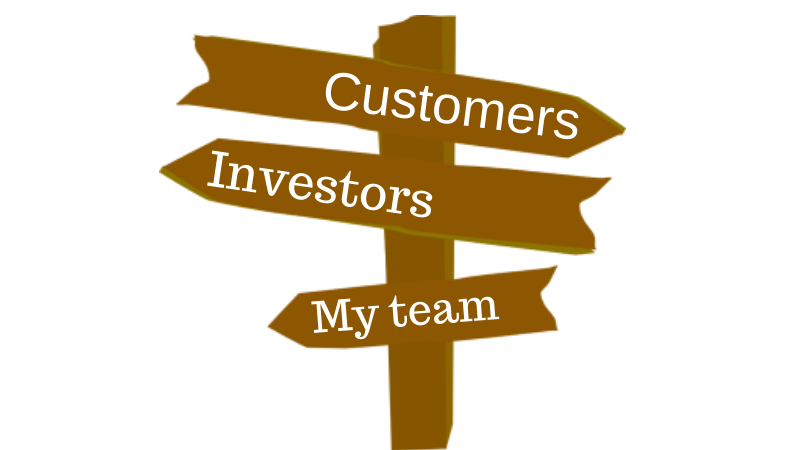
    If there is one thing, I have learnt in the past few weeks, it’s the fact that there is a long way to go from having a great idea to pitching that great idea to people. The approach you would take, pitching that idea to an investor is quite different from the one you would take pitching that idea to potential users. These two demographics all require a different sort of information in order to buy into your vision and here’s why I think so.

    In coming up with a prototype for our dragon’s den presentation, the team spent a lot of time talking to people in care homes, spending time with adults over the age of 75 who live alone as well as a few other people in order to understand if we;

    1. Were targetting the right group of people
    2. Properly understood how people would use the product
    3. Could come up with the right content for it.

    Within a few days, we felt we had an understanding of what the end product should look like; we proceeded to prepare our pitch. In preparing our pitch we wanted to show that we understood what the problems were from the customer point of view, we knew what channels to promote the product through. We also did an analysis of our direct and indirect competitors and highlighted our unfair advantage (thanks to our module director for constantly emphasizing this).

    Our goal was to ensure that the judges first understood that there was a problem and that the problem was big enough to make a business out of. We spent time doing some research and coming up with the right numbers and in summary, we nailed our pitch! We sounded great and we were all happy and it was time to print the real product and come up with more content for the journal.

    We once again sought the help of representatives of our target market and in sharing our idea with them, it dawned on me that the investor pitch angle was not working. They were not so interested in all the numbers we had been able to cram by now. They were asking questions like “how did you come about this idea?” “Did you have something similar growing up?” “My granddaughter likes to paint, is there something in it for her?” They were concerned about what could happen if a liquid spilled on it (we had not even taken that into consideration). These questions pointed to one thing, value!

    They knew about the problem much more than we did, so figures were out of the conversation; there was more interest in the nitty gritty bits of the product simply because they wanted to be certain our product was addressing their need. So, what is the way forward, as entrepreneurs, do we refine our pitch to cater to both investors and customers? Like a one size fits all?  Michael Seibel who is the CEO and a Partner at YC proposes having two separate pitches because both groups want different things. The investors want to know if you can build a successful business out of your idea while the customer just wants to be certain that your product can solve their problems.

  • The Lean Canvas vs the Business Model Canvas

    The Lean Canvas vs the Business Model Canvas

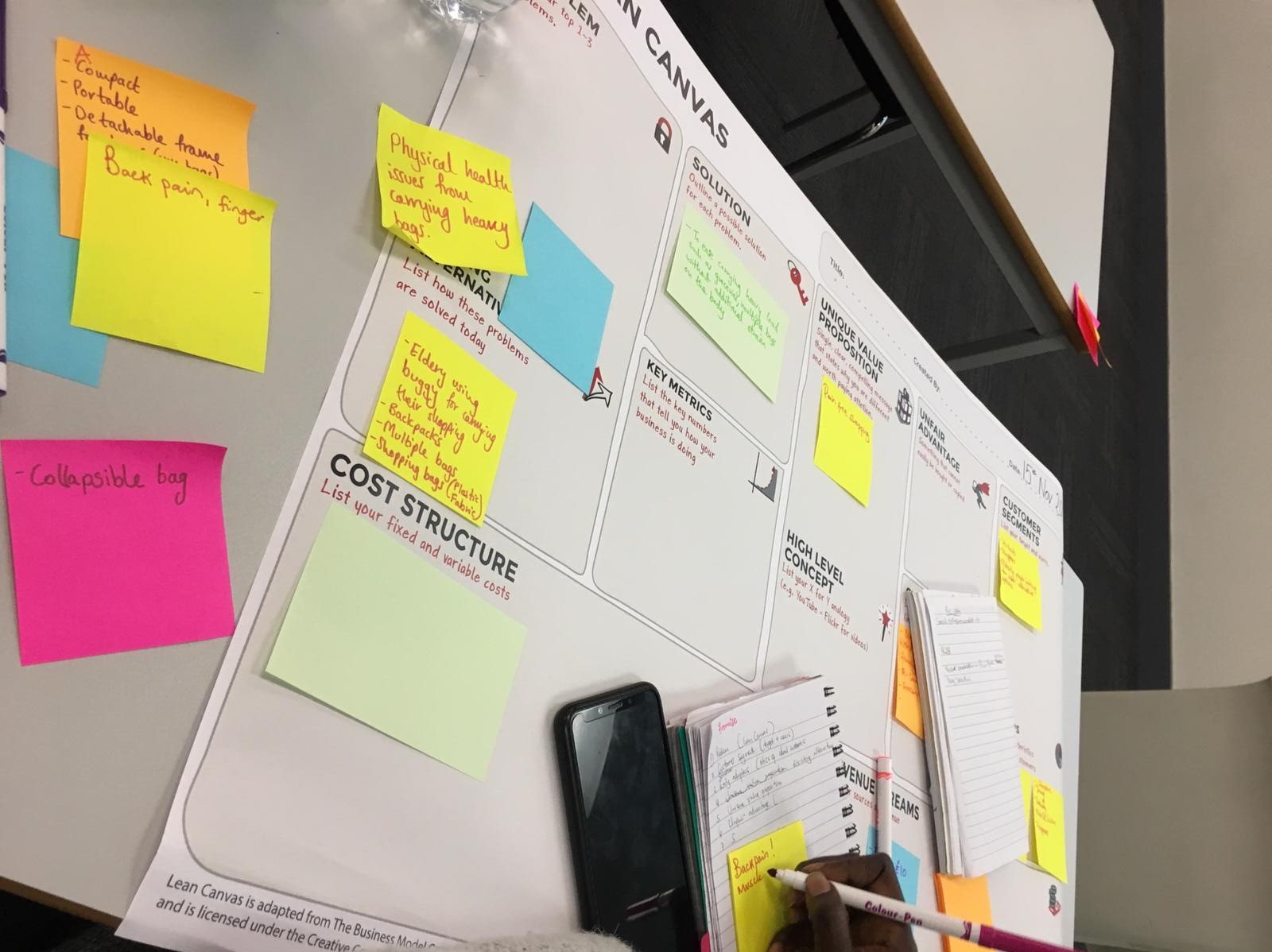
    For the longest time I had seen business practioners and colleagues around me use the words “Lean Canvas” and “Business Model Canvas” interchangeably. I am was also guilty of it and may have even influenced other people into doing so erroneously. In this blog post I will attempt to redeem myself by differentiating between the two for the benefit of those who did not know the difference either. As an individual who skirted the edges of social entrepreneurship, I identified more with the concept of the business plan because I saw it as a more compact way to present your business plan at a glance; as opposed to flipping through a number of pages. I particularly found it helpful for coaching less-literate micro-retailers in Nigeria about; they found it more relatable and pictures could be drawn where they could not spell the right words to describe what they had in mind, but I digress.  

    While the Business Model Canvas was created by Alexander Osterwalder of Strategyzer, the Lean Canvas was adapted from the Business Model Canvas by Ash Maurya. He came across Osterwalder’s book Business Model Generation and proceeded to tailor certain sections of the business model canvas to suit his business needs at the time; this is what accounts for their similarities. Maurya came up with a different approach to the traditional canvas because he felt it was too long and a bit difficult to pen down.  There was also the fact that the existing canvas was not tailored to new products, instead, they addressed existing ones such as big businesses without resources constraints.

    To cater to the development of new products, Maurya added the sections on key metrics and un-fair advantage. I particularly found those two sections useful because as a business person, you have to define what success looks like for you. How do you know you are meeting your goals if you have not highlighted any clear indicators? These numbers could be number of registered users, customer acquisition costs and sales revenue just to mention a few.

    Prior to learning about this in class, I had never paid any attention to what any businesses’ fair advantage could be. I approached issues like talent, access to research information or target group as “available resources” that could be leveraged as opposed to an un-fair advantage that one business could have over the other.

    The section on key partners was also replaced with the problem and rightly so because businesses exist and grow as a result of the existence of problems. I also think that the “problem” section should fit permanently on the first version because even established businesses still try to solve problems every day. The only thing that changes is the type of problems they are solving. For example, a car manufacturing company may have started out designing an affordable car that can take people from point A to point B, but as the company evolves over the years and competitors push out versions of the affordable car, making it readily available for buyers, this huge company all of a sudden, has a different set of problems to tackle. I am glad I discovered the lean startup canvas, I definitely look forward to trying it on a number of products and services just to see what works.

  • Takeaways from my visit to London’s Design Museum

    Takeaways from my visit to London’s Design Museum

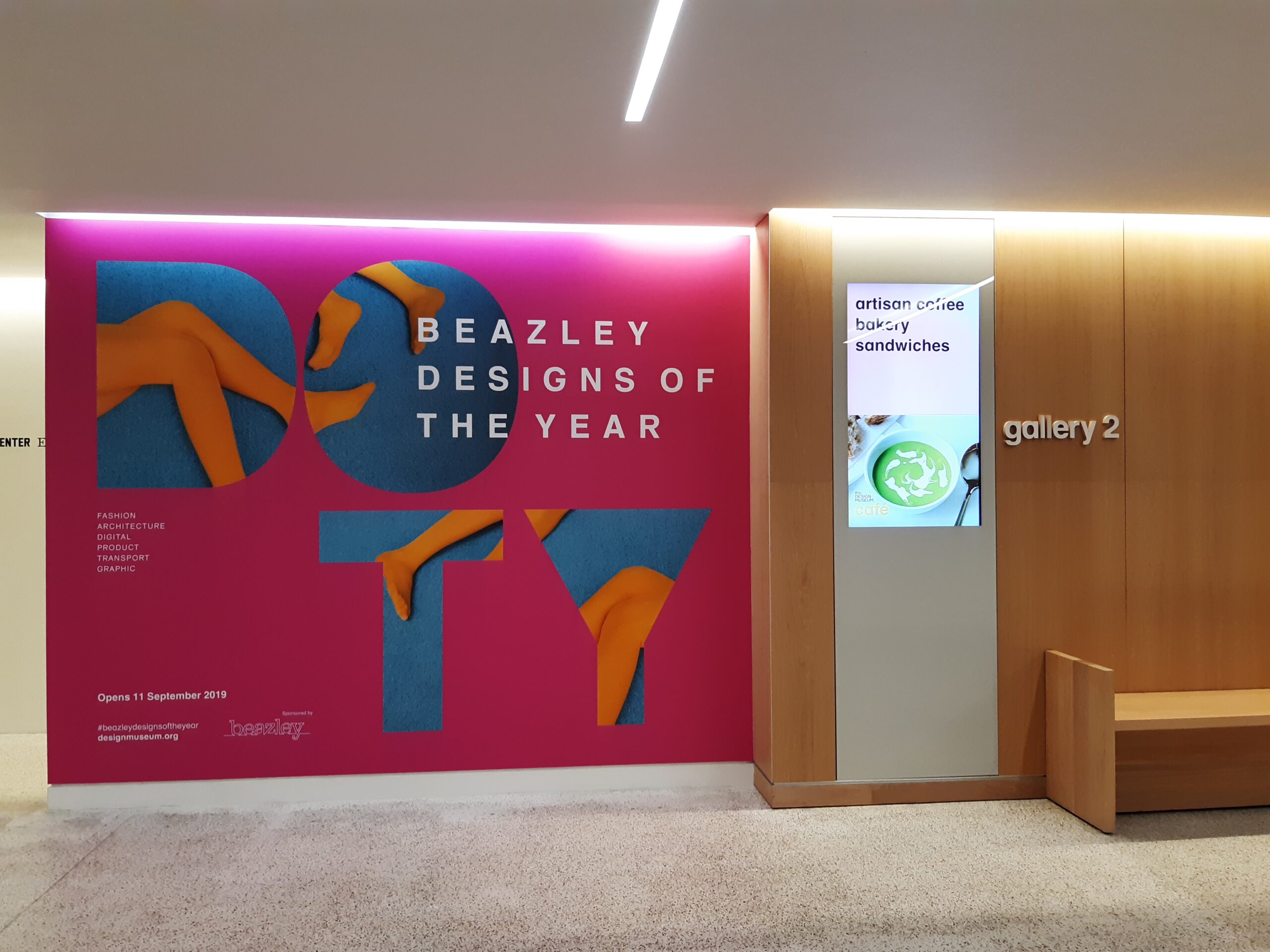
    Sometime in October, my team and visited the Design Museum in London to see how the principles of design has been applied towards solving problems. Our core focus was the Beazley Designs of the year. But we started with a tour of the general space. I was amazed at how companies like Apple have continued to innovate over the years; possessing an uncanny ability to keep customers looking forward to a new launch every year.

    Something that stood out very much to me was how the mix of a discovery of new materials and existing technologies informed the design of a completely new product. A classic example of this would be the 3D printer we got to see live in action. With the 3D printer, designers would be able to quickly and accurately make prototypes of their idea for showcase to an audience. This helps the audience effectively visualize the product and get a good understanding of what the finished product is not only expected to look like but also, how it is expected to function.

    For this to have come to life, there had to be marriage of technology for the development of the machine and the discovery of a suitable material for the 3D printer. In simple terms, as long as technology evolves, and the human mind can dream it, there would be no end to what products or services we can offer.

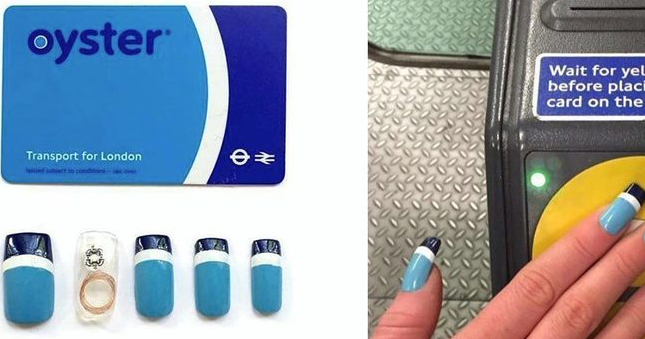
    Some of the best designs that stood out to me in the general section as well as the exhibits were the ones  born out of incremental innovation. Incremental innovation simply means adding improvements to existing products or services. Some of the good examples we saw include the Touch in and out Oyster Card Acrylic Nails with an inbuilt RFID chip designed by Lucie Davis. The oyster card system is the way most persons living in London get around using the public transport system. However, a designer has improved on this existing design by leveraging wearable technology to explore the ways in which the safety and convenience for commuters; especially those who are prone to forget their oyster cards.

    Oyster Card Acrylic Nails

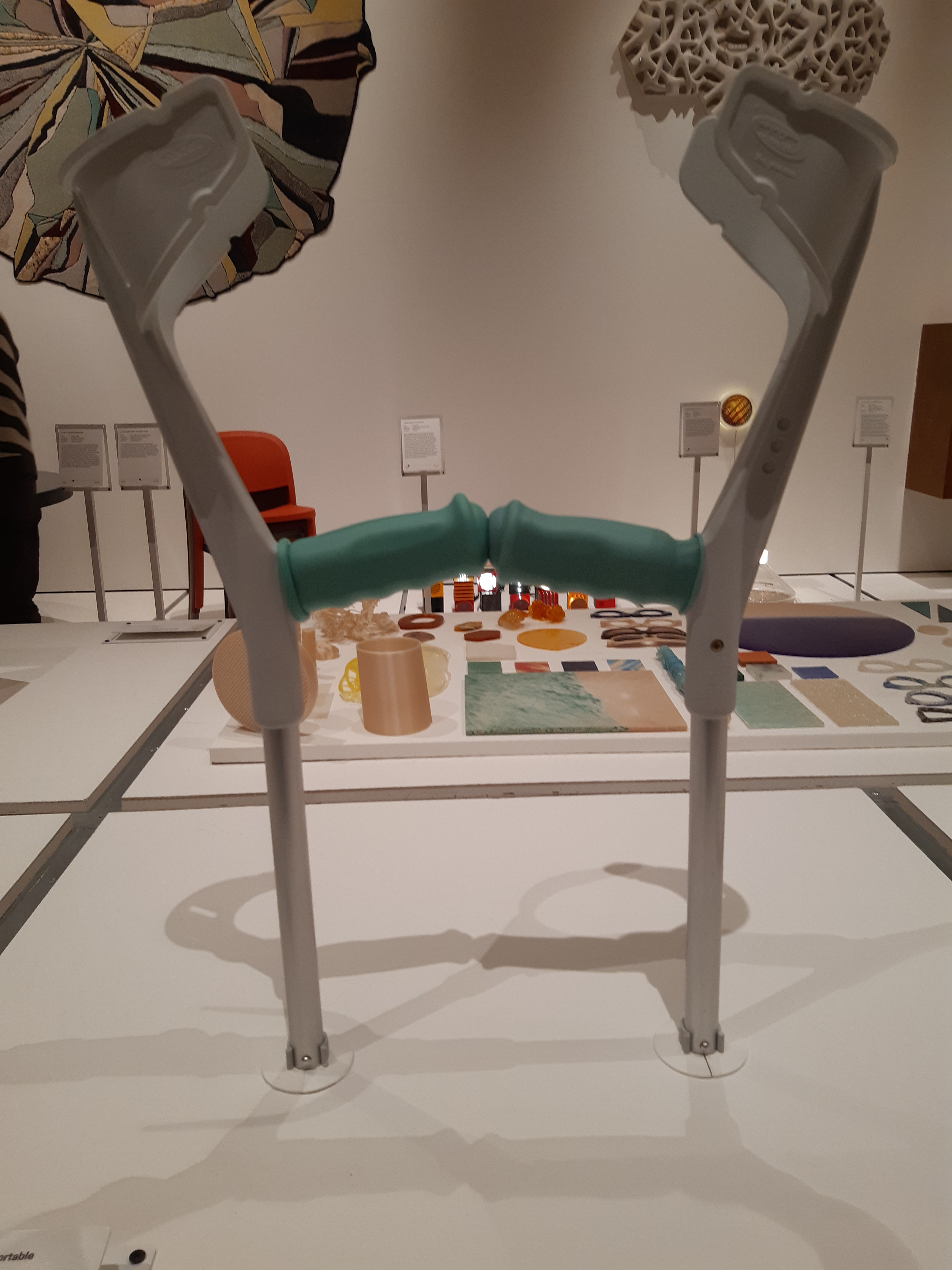
    Another example of a product that can be associated with incremental innovation is MySleeve. MySleeve is a silicone cover that acts as an add-on for crutches. It can be easily mounted on the crutch handle by means of a magnet that is embedded in the sleeve. This simple but very efficient product and designed by Marie Van den Broeck. The idea was borne out of the need to eliminate the soreness on the hands that comes with using crutches. It also has a secondary benefit of improving the grip of users.

    MySleeve

    I was also struck by how our social lives also affect product design; our views on environmental issues, gender and inclusivity is also shaping the way designers are approaching their designs. Our consciousness of these issues have led to the design of biodegradable pregnancy test strips that breaks down when flushed and becomes completely degraded in 8 weeks. I also got an introduction to Q, the world’s first genderless voice assistant, Q was created out of the need to eradicate gender bias. I believe that as we evolve as humans, our culture and attitudes will continue to lead us on the part of endless possibilities.

  • Failing

    Failing

    For the past three weeks, my team and I worked on the concept of a portable, retractable/collapsible frame for people who carry heavy bags. The problem came from a personal experience that I and some of my team members experienced; that meant we were on to something right? We were following all the steps of design thinking by first going out to talk to people about what we figured could be a problem in order to better understand how we could come up with a better product.

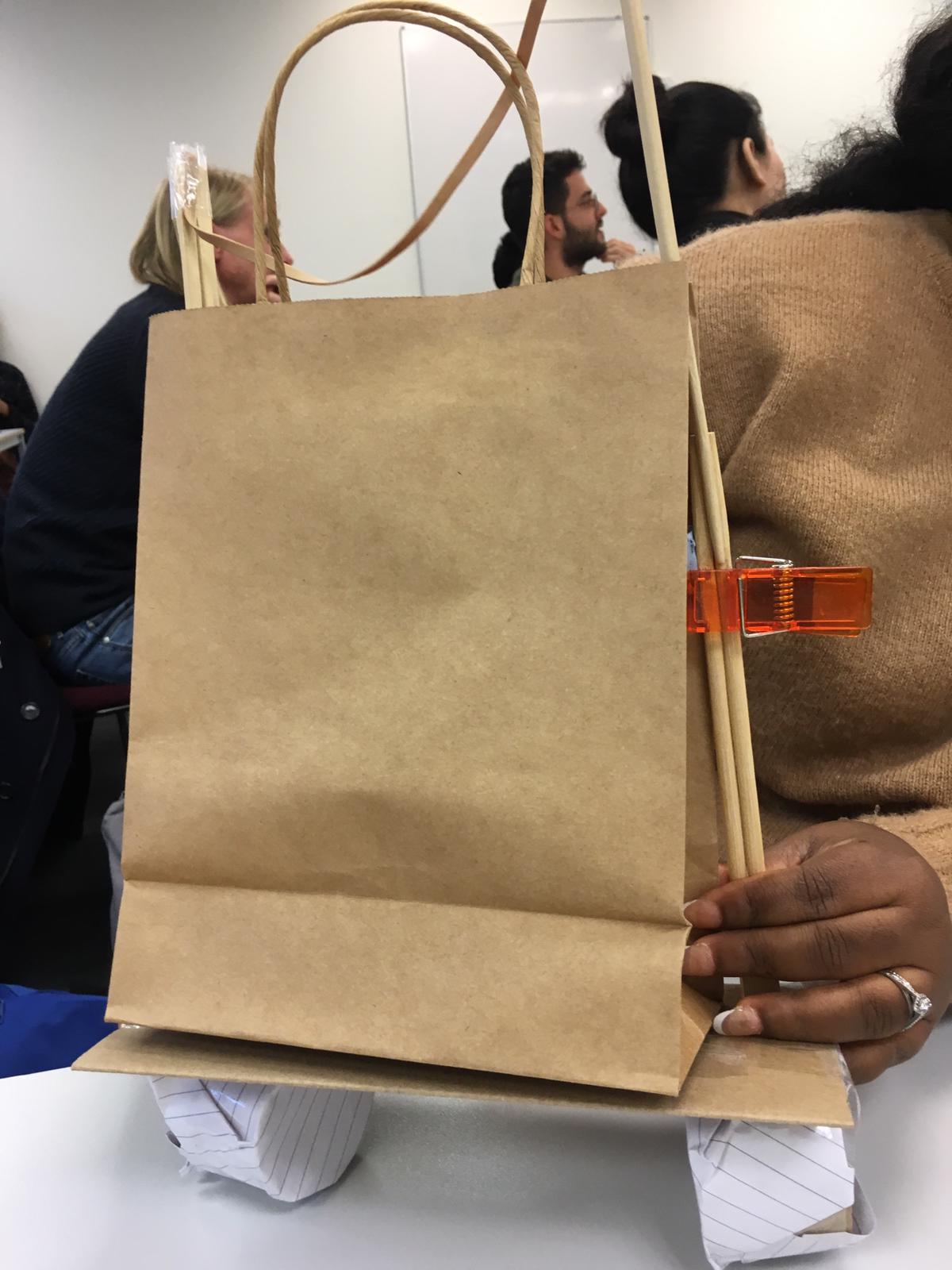
    From asking a lot of people questions about what they love or hate the most about their shopping bags, why they love or hate it, why they preferred certain bags over others and so on. We came to the conclusion that people needed something stylish that hold a lot of items without causing damage to the arms or fingers and we had our idea…a frame that could fit into any bag but could expand and allow you attach multiple bags to it and had collapsible tires so you could roll it along.

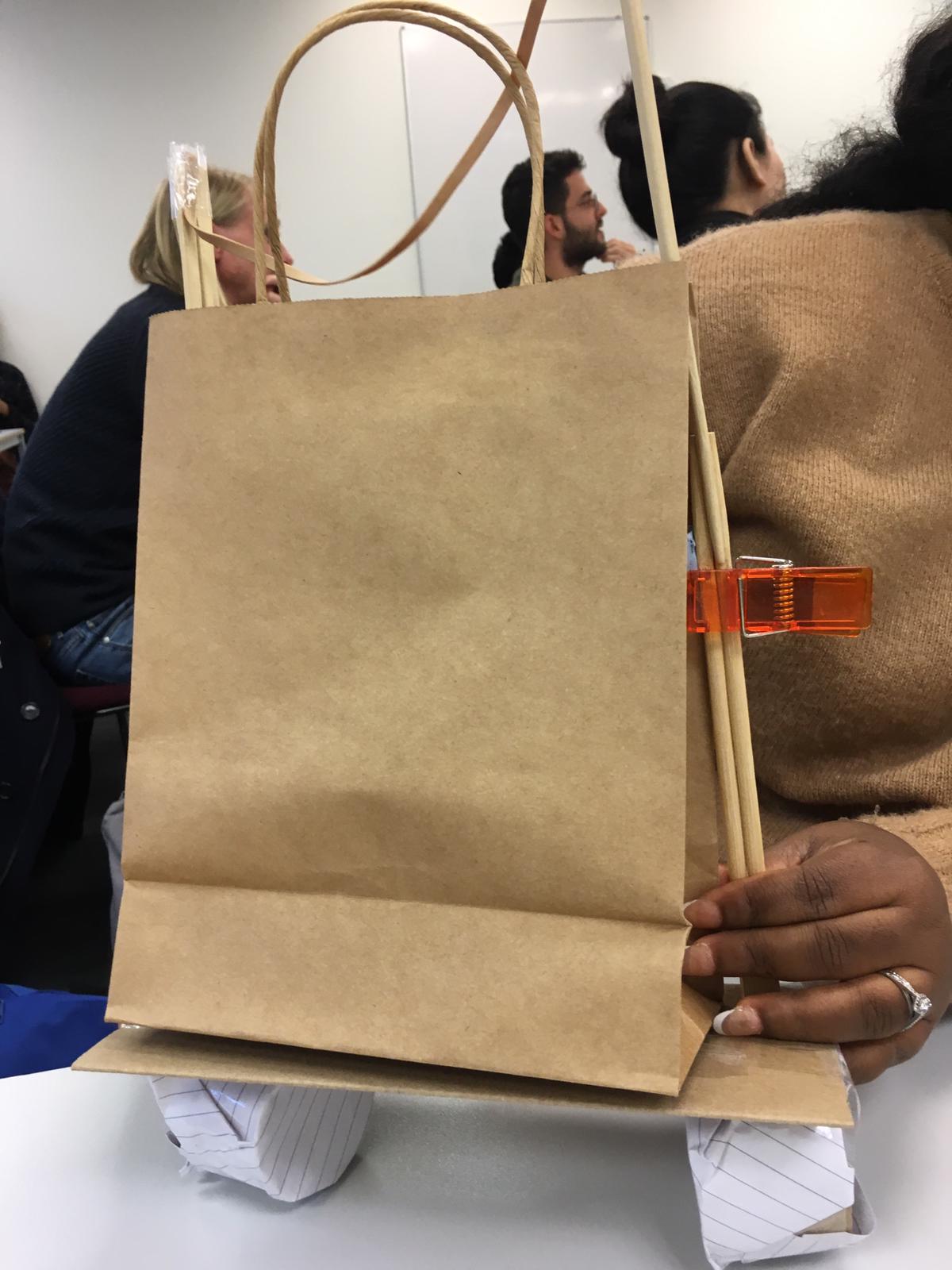
    Our prototype of a compactible, collapsible and detachable trolley for bags

    It seemed we had defined the problem and had a great idea at the time; that was until we moved to the next step in the design thinking process – prototyping. We came up with what we felt the end-product should look like and realized it was not just going to work for the following reasons.

    1. Substitutes were relatively cheaper
    2. There was a product out there that was quite similar to ours in design.
    3. It was also possible we had not defined the right problem.

    In solving the right problem, there must be establishment of a basic need as well as contextualization of the problem. The justification for our thoughts hinged on the fact that a product that 90% resembled our prototype existed in the market but did not seem to be majorly adopted by the target group we had our eyes set on. We figured if we could answer the question why, we could be on to something but in the meantime, we had to accept the fact that we had failed.  

    Failure was good for us at this point in time because it meant we did not waste time, effort and resources on a product that was going to fail much later in the future. As a team, we chose not to look a it as failure, it meant we had followed all the necessary steps to develop the product. If we had missed out on conducting market research to see what we were going to be up against we would have been embarrassingly unaware of who or what our competition was.

    Failing at this point meant we had time to go back to the drawing board to come up with something – better- a product that was designed to solve the problem of loneliness. We were able to move past prototyping stage faster than our previous product because we now knew what sort of questions to ask, and how we could go about conducting our market research to be able to come up with a product that had a unique value proposition.